Sylithe LULC Intelligence

Methodology aligned eligibility
screening.

Sylithe provides spatially explicit, time-series-based LULC intelligence aligned with ICM, Verra, ARR, and REDD+ frameworks—so only eligible land enters the carbon pipeline.
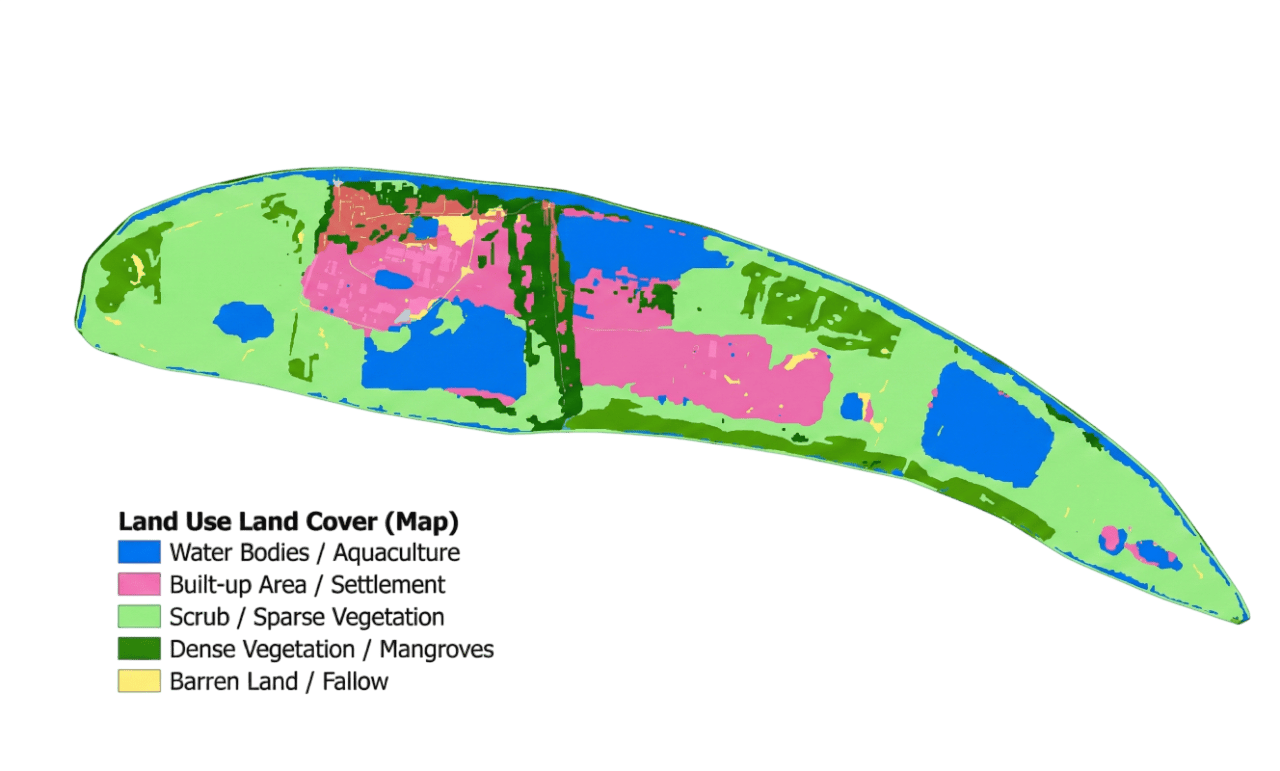
LULC Map Interface
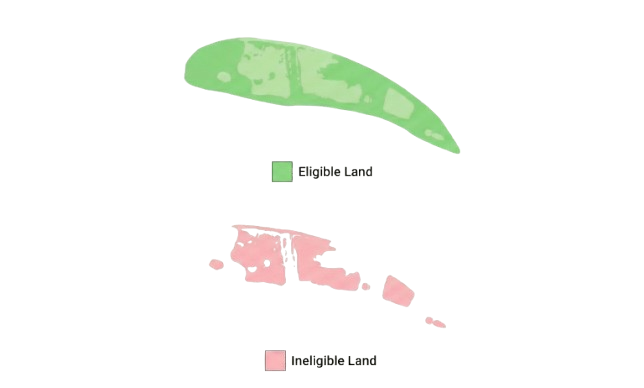
Integrity Checkpoint Dashboard

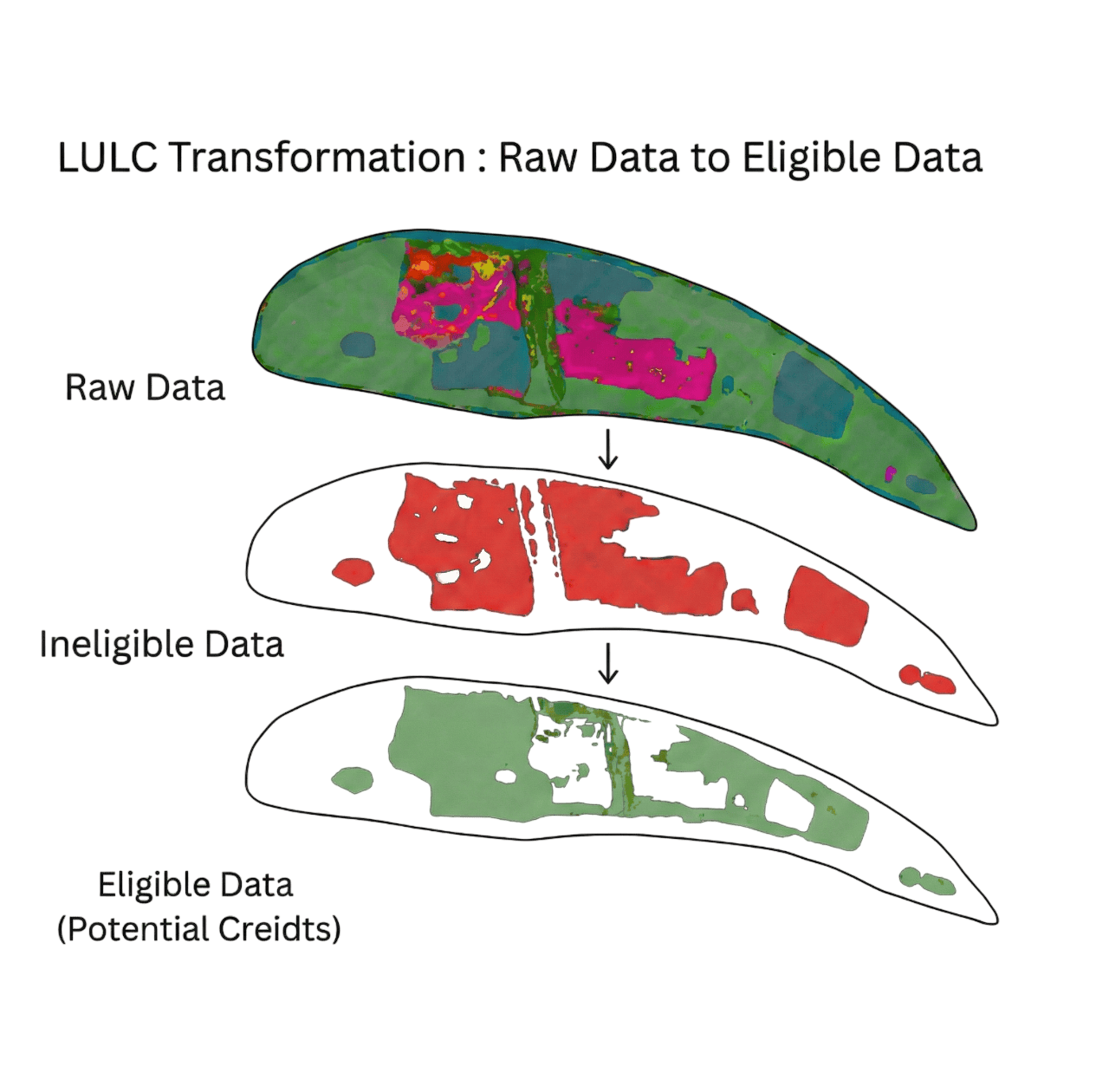
Land eligibility is the first integrity checkpoint.

Sylithe evaluates land use and land cover eligibility before carbon is quantified.

Land Use & Land Cover (LULC) determines whether a carbon project can exist at all. Before baselines, biomass, or crediting periods are assessed, standards require proof that land meets strict historical and methodological criteria.

Land use & land cover

What LULC means in carbon markets

LULC is not a map layer. It is a compliance requirement. Incorrect classification can invalidate a project before carbon is quantified.

LULC Determines

  • Land eligibility
  • Additionality
  • Baseline credibility
  • Leakage risk
  • Permanence exposure
LULC transformation

Risk of Error

  • Over-crediting
  • Project rejection
  • Credit invalidation
  • Buyer confidence loss
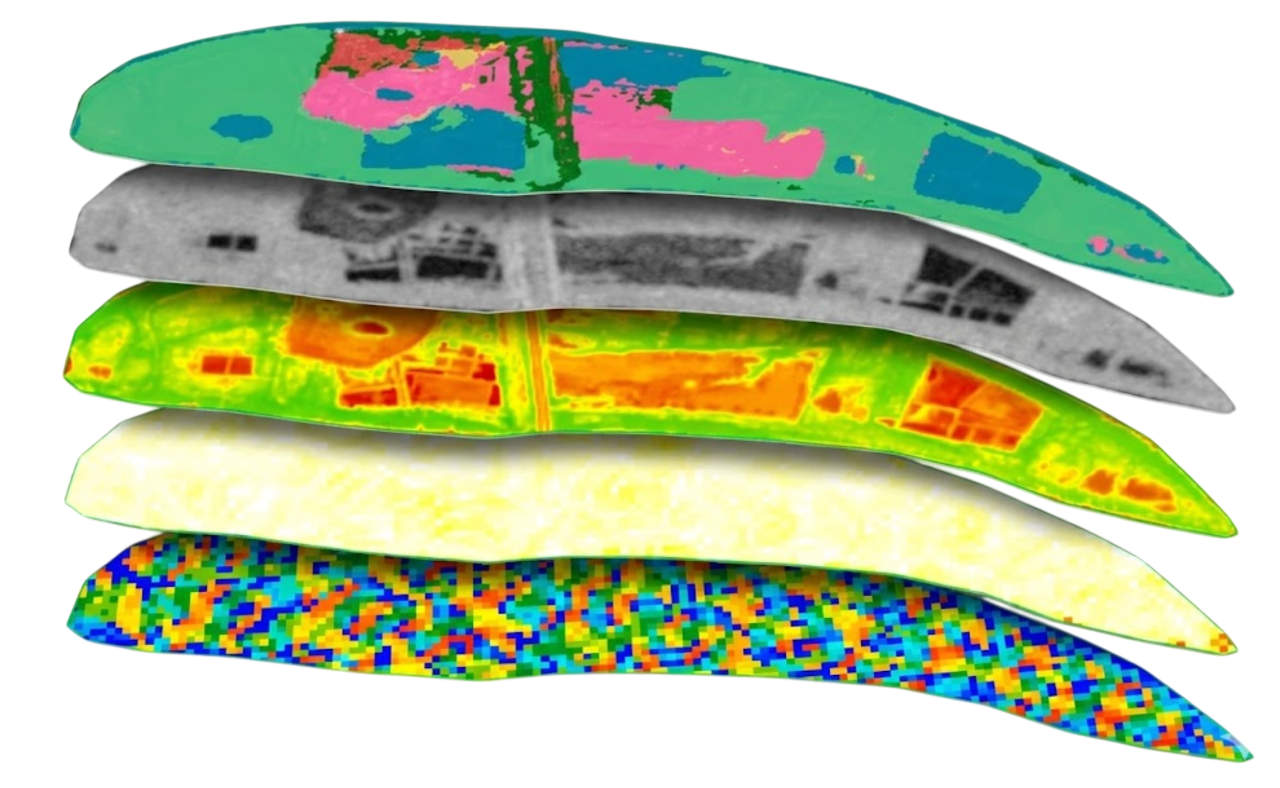
Sensor Fusion Diagram

How Sylithe classifies land

Multi-source, time-aware land classification.

Sylithe combines multiple data streams to create time-indexed classifications, not single snapshots.

Inputs

  • • Optical satellite imagery
  • • Radar time series
  • • Lidar-derived structure
  • • GEDI canopy height
  • • AI/ML models

Distinguishes

  • • Stable land use
  • • Temporary disturbance
  • • Regrowth vs degradation
  • • Human vs natural systems
Methodology Alignment

Tailored intelligence for ARR and REDD+ frameworks.

ARR (Reforestation)

We verify historical non-forest status to ensure additionality. Sylithe proves that land was not recently cleared to claim credits.

REDD+ (Avoided Deforestation)

We map existing forest extent and detect degradation signals. Sylithe identifies credible threats to prove avoided loss is real.
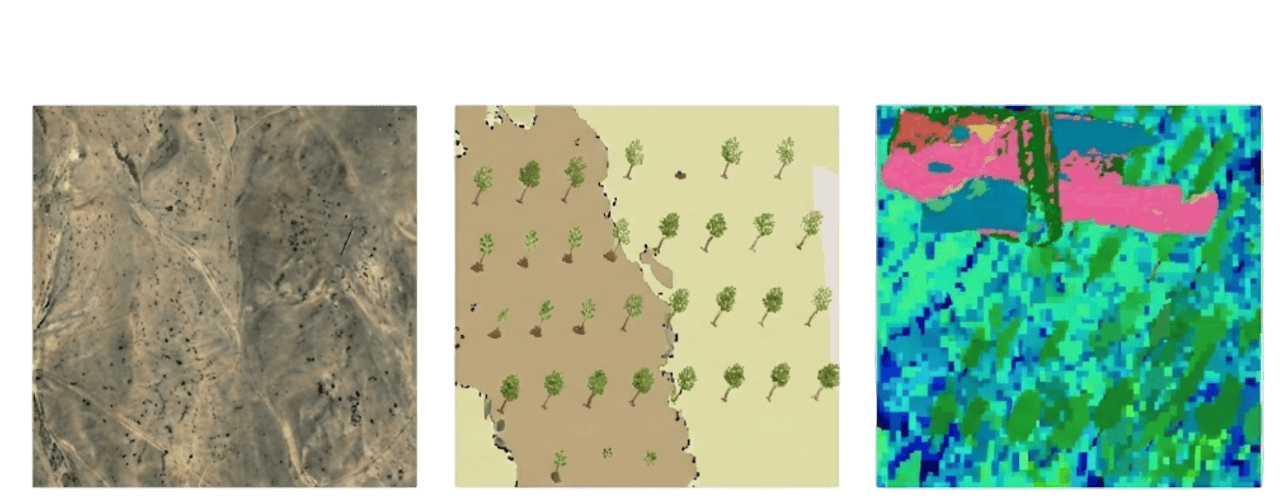
ARR vs REDD+ Methodology Map

Sylithe provides methodology-aligned land use and land cover intelligence that supports eligibility screening, additionality assessment, and ongoing monitoring for ARR, REDD+, and other forest carbon frameworks.

FAQs

What is LULC in carbon credit projects?
Land Use and Land Cover (LULC) classification is the process of categorizing Earth's surface using satellite imagery. For carbon projects, Sylithe's LULC analysis establishes the historical land state, proving that a forest project meets the eligibility criteria for carbon credit issuance under Verra and Gold Standard.
How is LULC mapping used in REDD+ projects?
In REDD+ (Reducing Emissions from Deforestation and forest Degradation) projects, LULC mapping is essential for proving historical deforestation rates and tracking land-use changes over time. Sylithe uses continuous satellite monitoring to detect canopy loss and agricultural expansion.
What satellite data does Sylithe use for LULC classification?
Sylithe fuses high-resolution optical imagery (like Sentinel-2 and Landsat) with Synthetic Aperture Radar (SAR) data. This multi-sensor approach allows us to penetrate cloud cover and accurately classify land use even in dense tropical rainforests.
Does Sylithe's LULC analysis comply with Verra VM0047?
Yes, Sylithe's automated LULC classification engine is fully aligned with modern carbon registry methodologies, including Verra VM0047 and the Indian Carbon Market (ICM), providing audit-ready stratification and boundary analysis.
How much does satellite-based LULC mapping cost compared to field surveys?
Satellite-based LULC mapping through the Sylithe platform reduces traditional MRV costs by up to 90%. By replacing expensive manual field surveys with automated AI-driven remote sensing, project developers can scale faster.
How often is the LULC data updated for carbon monitoring?
Sylithe provides continuous, near-real-time monitoring. Instead of waiting 5 years for a manual verification cycle, our platform updates LULC classifications continuously as new satellite data becomes available, enabling early reversal detection.
Can LULC mapping detect forest degradation?
Yes, by combining time-series optical data with structural SAR data, Sylithe's LULC algorithms can detect subtle changes in forest canopy cover, identifying illegal selective logging and forest degradation before it becomes full deforestation.