
CCTS Is Rewriting ESG
India's Carbon Credit Trading Scheme is transforming ESG from a reporting exercise into a performance-driven market. The companies that can prove their impact not just report it will lead.
Insights and analysis on carbon markets, verification systems, climate data, and carbon infrastructure.

India's Carbon Credit Trading Scheme is transforming ESG from a reporting exercise into a performance-driven market. The companies that can prove their impact not just report it will lead.


SEBI has made BRSR Core mandatory with reasonable assurance for the top 150 listed companies. Most aren't ready. Here's exactly what's required and where organizations are falling short.


After years of stalled negotiations, Article 6 of the Paris Agreement is becoming operational. For Indian carbon project developers, this creates both massive opportunity and significant compliance complexity.


CORSIA mandates carbon offsetting for international aviation from 2027. Indian carriers operating international routes need to understand which carbon credits qualify and how verification requirements differ from anything the domestic market has seen before.


Every economy that has taken sustainable finance seriously has eventually confronted the same problem: without a common, legally defined standard for what counts as "green," capital markets cannot price climate risk accurately. India is now building its own.



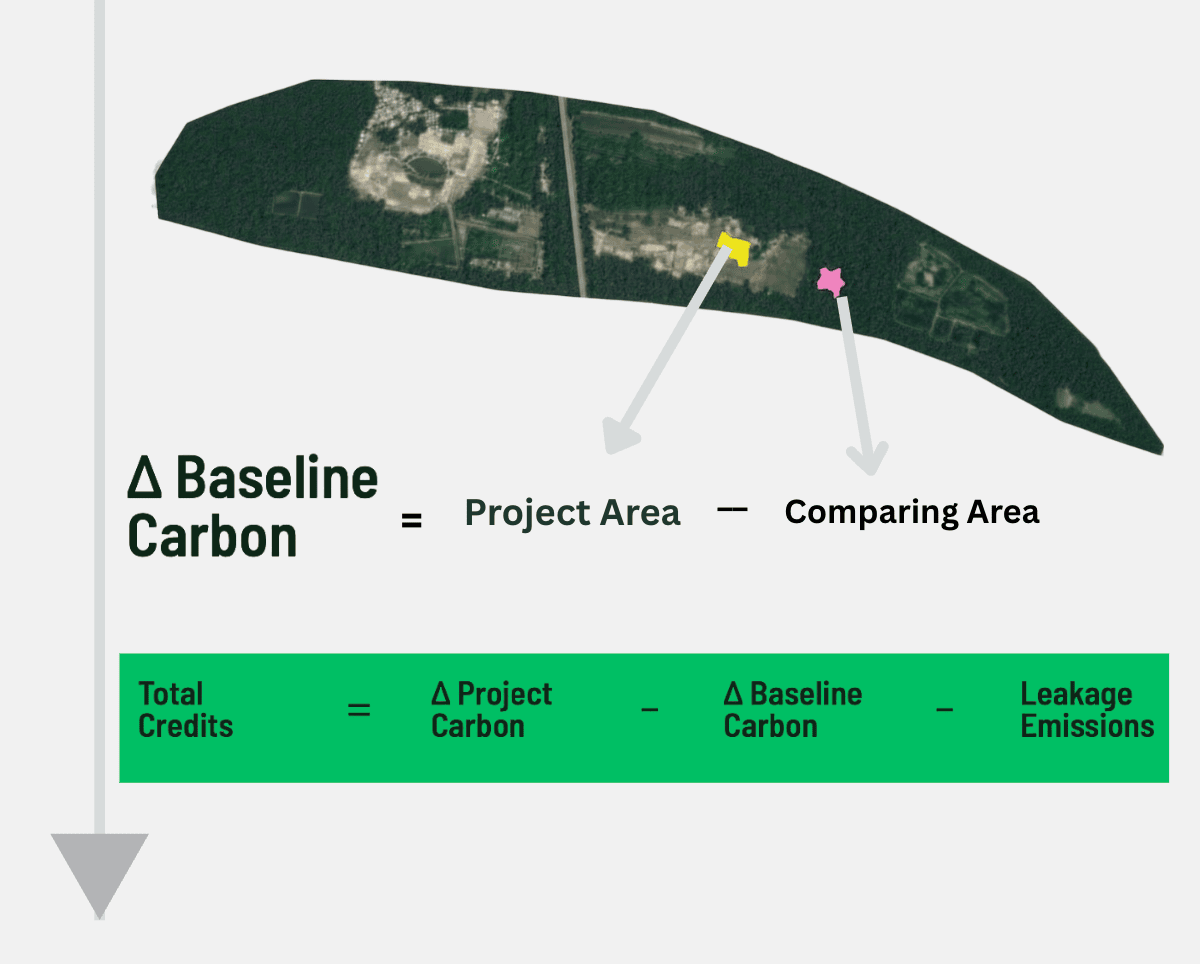
VM0048 represents the most significant methodological reform in REDD+ history. It restructures the fundamental architecture of how baseline deforestation risk is established, allocated to projects, and adjusted over time.


As voluntary carbon markets face increasing scrutiny, the gap between high-integrity and low-quality credits is widening. We explore the structural divide between credible impact and "phantom" offsets, and why dMRV is the only defense against stranded carbon assets.


Indian carbon credits trade at a significant "Integrity Discount" compared to global benchmarks. We analyze the economic failure of price discovery in the domestic market, the impact of the new CCTS framework, and how high fidelity data is finally aligning price with atmospheric value.


India has 75 million hectares of degraded land with carbon sequestration potential. The one thing standing between potential and scale is credible, continuous, and technology-backed verification.


The historical wall between compliance and voluntary carbon markets is eroding. We analyze the mechanics of Cap-and-Trade, the rise of VCCs, and the 100-fold increase in demand predicted for the 2030 trade lifecycle.


If a forest burns down ten years after you bought the credit, your offset vanishes into thin air. We explore the structural weaknesses of buffer pools, the 'permanence gap' in corporate reporting, and how satellite MRV is moving the market toward dynamic risk management.


For most corporations, direct operations are just the visible tip of the environmental iceberg. The real impact often exceeding 80% of the total footprint lies hidden in the complex web of the supply chain, unseen, unmeasured, and increasingly unacceptable.


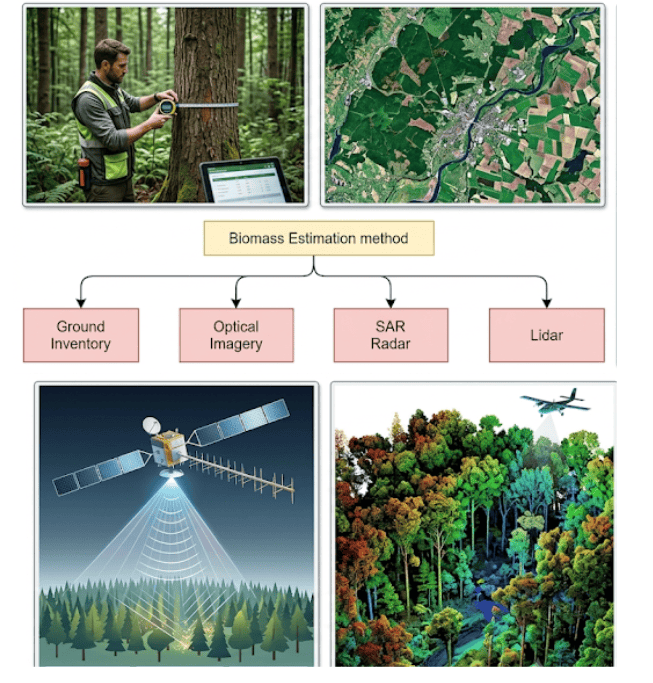
For most of the carbon market's existence, the physical truth of a forest was known only to the people who walked into it. Satellite-based digital MRV (dMRV) is the answer not as an adjunct to field verification, but as its operational replacement.


If your monitoring can't see through clouds, it can't see the truth of the forest. SAR is the only path to absolute transparency.


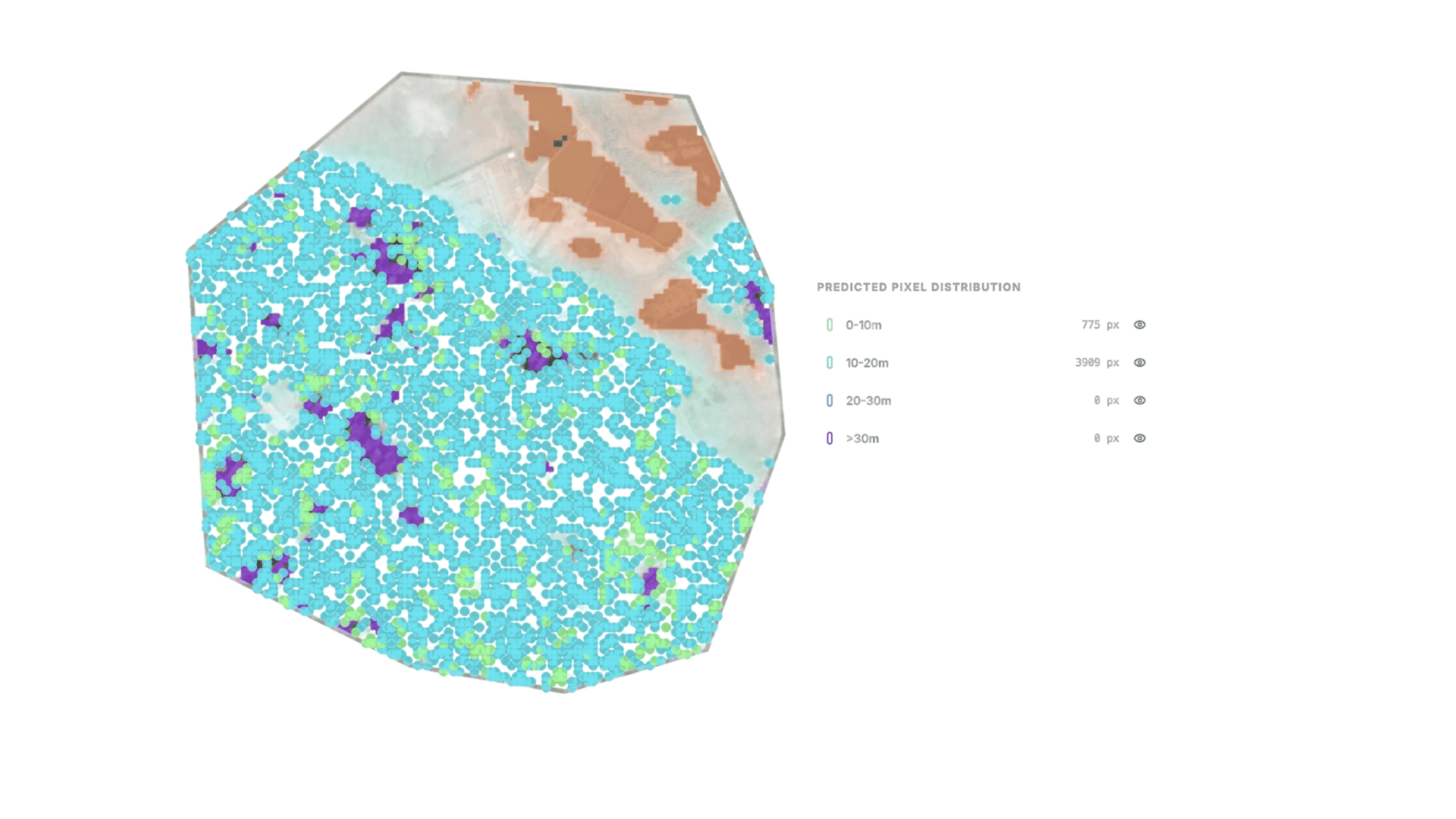
Land Use and Land Cover (LULC) classification is the foundational layer of the entire carbon economy. Yet the majority of the forest carbon industry continues to rely on optical-only classification methods that have a well-documented accuracy ceiling of approximately 80–85%.


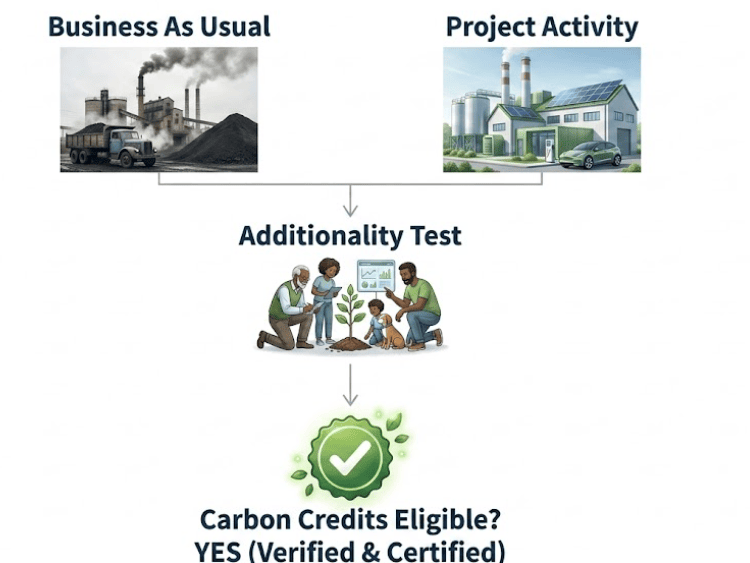
Every carbon credit claims additionality. Almost no one agrees on what it means. We break down the three tests financial, barrier, and common practice and explain why current assessment methods produce systematically inflated credit volumes.


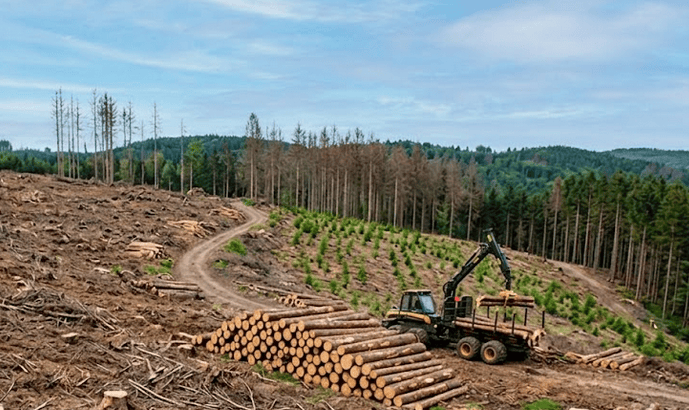
When a REDD+ project protects a forest, deforestation pressure does not disappear. It relocates. This is leakage, and it can silently erase a significant portion of claimed emission reductions. Here is how it works, why most projects underestimate it, and what rigorous detection actually looks like.


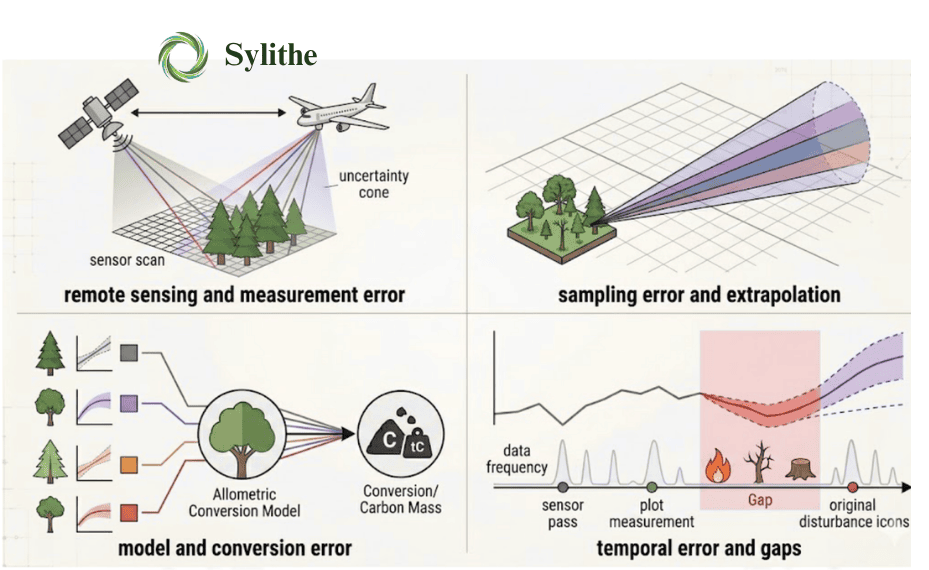
Carbon stock estimates are not exact numbers. They carry uncertainty from every step: classification accuracy, allometric equations, sampling error, and temporal gaps. The next generation of carbon finance will demand they are disclosed.


Of all the ecosystems that store carbon, mangroves are among the most efficient and among the hardest to measure. Per hectare, a healthy mangrove can sequester carbon at rates three to five times higher than a tropical rainforest.


We worked with a large Indian industrial group to independently verify their net-zero transition plan. What we found illustrates exactly why corporate climate claims need independent technical scrutiny rather than consultant-led narrative.

Join carbon market professionals, project developers, and climate leaders who rely on Sylithe's research to stay ahead of the curve.
No spam. Unsubscribe anytime.