 New
NewBiochar Carbon
Removal
Durable carbon, measured and traced from residue to soil.
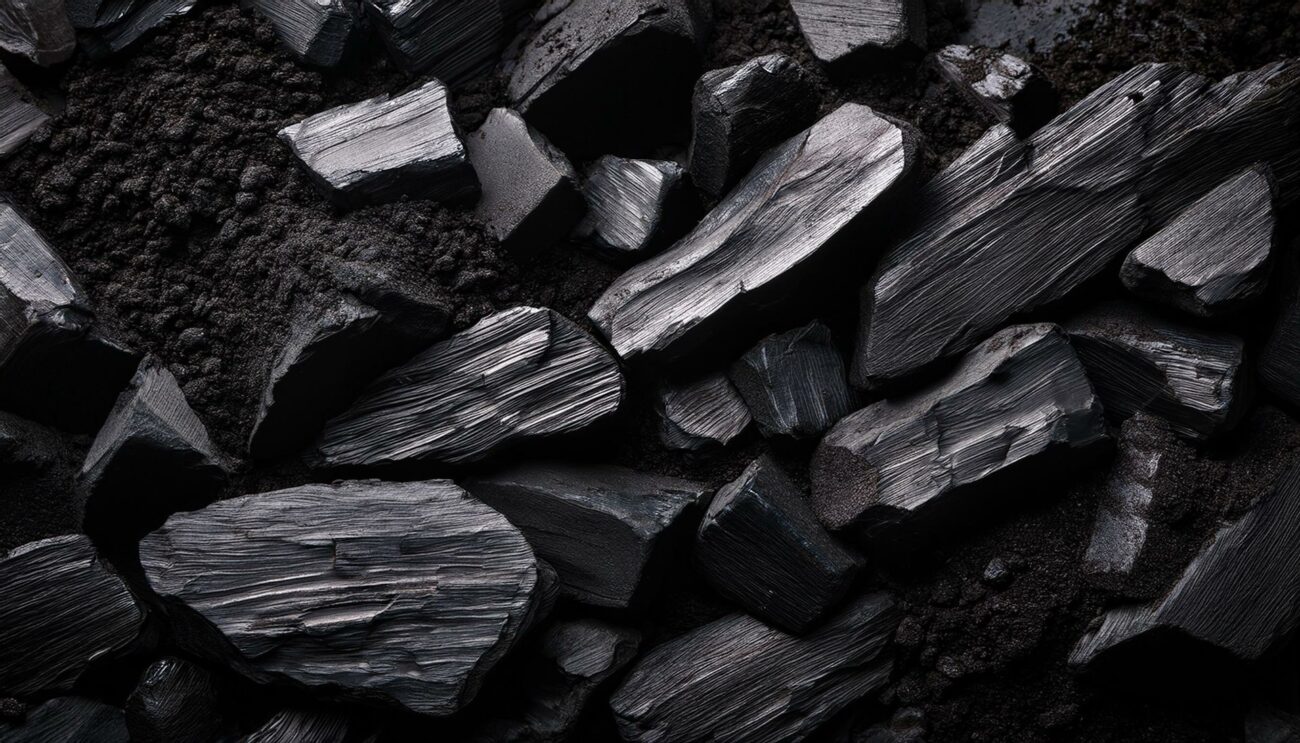
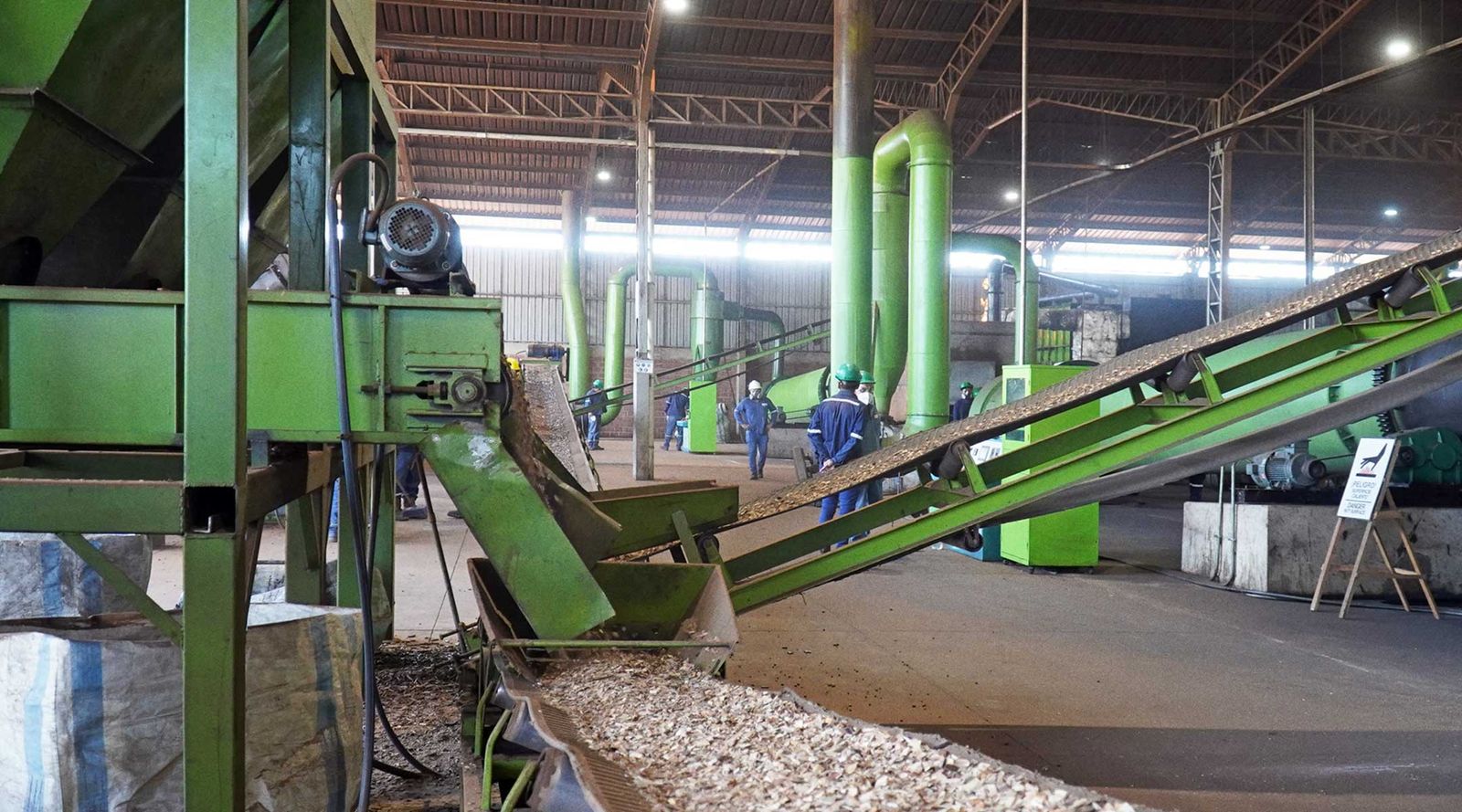
Biochar Carbon Removal (BCR) is among the most immediately scalable and cost-competitive durable carbon dioxide removal pathways available today. In 2024, 86% of all durable CDR deliveries came from biochar, making it the leading durable method actually in the ground rather than on a roadmap. For India, sitting on hundreds of millions of tonnes of annual crop residue, the constraint has never been feedstock. It has been verifiable evidence.
How It Works
86%
of 2024 durable CDR deliveries
0.5–2 Gt
CO₂ / year potential by 2050
500–700°C
pyrolysis conversion window
100+ yrs
carbon permanence horizon
Market position
The pathway that actually delivers
Biochar accounted for the overwhelming majority of durable carbon removal delivered in 2024. While other engineered pathways are still commissioning first plants, BCR is shipping tonnes today, which is why it dominates buyer procurement.
Removal potential
0.5–2 gigatonnes a year
Current assessments of globally available sustainable residue feedstock put biochar's annual removal ceiling in the gigatonne range by 2050, without competing for land that food or forests need.
End uses
Soil, feed, and the built environment
Credited biochar is worked into agricultural soil, blended into animal feed and bedding, or bound into concrete and asphalt. Each route keeps the carbon out of the atmosphere on a different timescale.
What has to be evidenced
Four checkpoints turn that process into a creditable tonne
At the feedstock
Prove the biomass is genuinely residue. Satellite land-cover history over the sourcing area shows no standing forest was cleared to feed the kiln.
At the reactor
Log every run: input mass and moisture, peak temperature, residence time, output yield. A single spot reading will not satisfy a verifier.
At the laboratory
Tie each batch to its certificate (carbon content and H:Corg molar ratio) so the durable fraction is measured rather than assumed.
At the field
Record where the material actually went, with coordinates and quantities. Credits attach to durable end use, not to production alone.
Why the carbon stays put.
Durability is the whole argument for biochar. Everything a buyer pays a premium for (and everything a verifier will interrogate) comes back to whether the carbon in a given batch is genuinely resistant to decay.
The mechanism
What pyrolysis actually changes
Left alone, crop residue rots or burns, and within a season or two the carbon it holds is back in the atmosphere. Pyrolysis interrupts that cycle at exactly the point of release. Heating biomass to 500–700°C in a low-oxygen environment drives off water and volatile compounds without letting the carbon combust.
What remains is not simply burnt plant matter. The carbon reorganises into sheets of fused aromatic rings, a dense, highly ordered structure that offers very few of the chemical footholds soil microbes rely on to break organic matter down. That structural change is the removal. Everything afterwards is a question of proving it happened and keeping the material somewhere it will stay.
The practice itself is not new. The terra preta soils of the Amazon basin, deliberately enriched with charred biomass over 2,000 years ago, remain measurably carbon-rich and fertile today. What is new is the ability to prove it, batch by batch, at commercial scale.
Quality
What decides whether biochar actually lasts
Not every tonne of biochar is equivalent. The feedstock it came from, how wet that feedstock was, and how hot and how long the reactor ran all shape the final product, and therefore how much of it counts as durable carbon.
- H:Corg molar ratio: the primary proxy for how thoroughly biomass has carbonised. Below 0.7 is the threshold most standards require; below 0.4 indicates highly recalcitrant carbon.
- Random reflectance (Ro%): a petrographic measurement borrowed from coal science. Carbon above the inertinite threshold is treated as geologically stable, not merely slow to decay.
- Feedstock character: woody and hardwood inputs carbonise to higher fixed-carbon fractions. Agricultural residues are more nutrient-rich but yield lower structural stability at the same temperature.
- Process temperature: a higher peak drives a greater recalcitrant fraction, which is why continuous kiln telemetry, rather than a single spot reading, is what a verifier needs to see.
Which of these a standard treats as decisive varies. That is why Sylithe records all of them against every batch rather than optimising for one registry's current preference.
Evidence
Three independent lines of evidence
The permanence case does not rest on a single study. Three separate strands of published work converge on the same conclusion, each closing a different gap an auditor might otherwise push on.
- A measurable threshold: reflectance-based benchmarking separates the genuinely inert fraction from carbon that will eventually cycle, giving verifiers a physical measurement to qualify against instead of a modelled assumption.
- Fifteen years in the ground: long-term field trials tracking applied biochar found the inertinite and semi-inertinite fractions essentially unchanged over that period, observational support rather than extrapolation from lab conditions.
- A mechanism, not a correlation: structural studies link degree of aromaticity directly to observed durability, explaining why the lattice resists microbial attack rather than simply reporting that it does.
Scale
One pathway, two very different builds
Biochar is unusual among durable removal pathways in that it works at both ends of the capital spectrum. A farmer cooperative and a commissioned industrial plant are running the same chemistry, but almost nothing else about the two projects looks alike.
Kon-Tiki and artisan kilns
Low-cost, open-flame-curtain kilns that a farmer cooperative can operate at village scale. They put biochar production within reach of the smallholders who generate the residue in the first place, but they make evidence collection the hard part, because there is no plant SCADA to read from.
- Low capital cost
- Village-scale deployment
- Manual batch logging
- Global Artisan C-Sink route
Continuous pyrolysis plants
High-throughput reactors with heat and syngas recovery, running continuously against a steady feedstock supply. Instrumentation is far richer, so the MRV challenge shifts from data capture to reconciling plant telemetry with feedstock provenance and downstream application.
- High throughput
- Heat & syngas recovery
- Continuous telemetry
- Puro.earth CORC route
The MRV burden inverts between them. Artisan kilns are cheap to run and hard to instrument; industrial plants generate telemetry by default but have to reconcile it against feedstock provenance across a much larger supply catchment. Sylithe adapts to the production model rather than forcing the project to adapt to the software.
End use
Where the carbon ends up decides if it counts
Producing biochar is only half of a carbon removal. The material has to go somewhere it will stay, and standards draw a hard line between end uses that hold the carbon and end uses that eventually release it.
Creditable: durable storage
Worked into agricultural soil, or bound into concrete, asphalt and other building materials. The carbon stays fixed, and the application point can be recorded, sampled and revisited.
Not creditable: transient use
Wastewater filtration, plastics, paper, textiles and metallurgy are genuine industrial markets for biochar, but the carbon can return to the atmosphere at end of life, so standards do not credit them as removals.
This is precisely why chain of custody is not administrative overhead. A tonne that leaves the kiln and cannot be traced to a durable application is a tonne that cannot be credited, however good the laboratory certificate looks.
Biochar credibility is a chain of custody problem.
A forest project can be measured from orbit. A biochar project cannot: its integrity lives in the links between feedstock, kiln, laboratory and field. Break any one link and the credit is unverifiable. Sylithe instruments the whole chain.
Feedstock sourcing & eligibility
Satellite LULC screening proves biomass came from residue streams or sustainably managed land, not from clearing standing forest to feed a kiln.
Production batch records
Every pyrolysis run is logged against mass balance, peak temperature and moisture, then reconciled with lab certificates for H:Corg and carbon content.
Chain of custody to application
Each batch carries a traceable identity from kiln to field. The same QR-linked profile Sylithe uses for tree inventory extends to biochar application plots.
Audit-ready evidence pack
Sampling records, transport logs, application coordinates and lab results assemble into the document set a validation and verification body asks for.
Continuous monitoring
Applied-plot performance and soil condition are tracked over time, so co-benefit claims are backed by measurement rather than a single baseline survey.
Registry-aligned reporting
Outputs are structured for Puro.earth CORC issuance and mapped to Verra and ICM reporting formats, so the same dataset serves multiple pathways.
Standards & methodologies
One evidence set, multiple crediting routes
Sylithe structures BCR project data so the same underlying records can serve whichever pathway your buyers require.
 PURO
PUROPuro.earth Biochar Methodology
The dominant route for durable BCR credits (CORCs). Edition 2025 tightens feedstock sustainability, H:Corg evidence and application tracking.
 RAINBOW
Rainbow Standard
Europe's registry for engineered removals, ICVCM CCP-eligible. Its BiCRS methodology covers pyrolysis and biochar application to agricultural soils.
 VCS
VCSVerra VM0044
Methodology for biochar utilisation in soil and non-soil applications, the VCS pathway for projects already inside a Verra portfolio.
 ISOMETRIC
Isometric
A science-led registry whose biochar protocol leans hard on laboratory evidence and independent verification before any credit is issued.
Developing a biochar project?
Whether you are running a single Kon-Tiki kiln or commissioning an industrial pyrolysis plant, the evidence requirements are the same. Let's build the MRV layer before the first batch, not after the auditor asks.
FAQs
Common questions from developers and buyers evaluating biochar carbon removal.