 New
New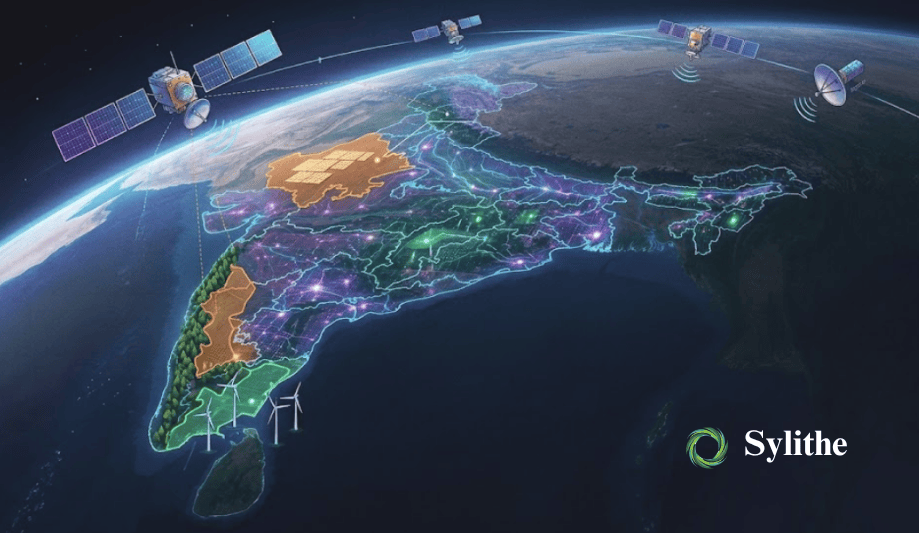
Credits intended for Article 6 international transfers now require government authorization. That changes the entire equation for Indian project developers.
Article 6 of the Paris Agreement is no longer a future framework. It is becoming operational. And for India one of the world's largest carbon project pipelines the implications are immediate.
Under the old Kyoto CDM model, a project in India could sell credits to a buyer in Japan without any deduction from India's national carbon ledger. Article 6 ends that. Now, because every country has an NDC target, any credit transferred internationally for compliance must be 'corresponding adjusted' the Indian government formally gives up that emission reduction from its own books. This government-backed accounting is what makes Article 6 credits different from normal voluntary offsets.
This guide explains what Article 6.2 and 6.4 actually require, why corresponding adjustments are the central challenge, and what Indian project developers need to do differently starting now.
What Is an ITMO?
An ITMO (Internationally Transferred Mitigation Outcome) is the accounting unit used under Article 6. When a country authorizes a carbon credit transfer, that reduction becomes an ITMO and can be counted toward another country's climate target. Unlike ordinary voluntary offsets, ITMOs require corresponding adjustments and government authorization.
For a carbon credit to become an ITMO, it must pass a rigorous sovereign approval process. This is because every ITMO represents a physical tonne of carbon that the host country (like India) can no longer claim in its own National Inventory Report (NIR). To the international market, an ITMO is the highest tier of carbon asset—a compliance-grade unit backed by the sovereign pledge of the originating nation.
Key Takeaway
Project developers who successfully secure ITMO status for their credits can access premium pricing from compliance buyers, such as airlines governed by CORSIA, or nations seeking to meet their NDC deficits. However, this premium comes with significantly higher MRV expectations, as the host government assumes the political and accounting risk of the transfer.
Why Article 6 Is Different From the Kyoto CDM
This is probably the biggest educational gap for traditional carbon market participants. Under the Kyoto Protocol's Clean Development Mechanism (CDM), the rules were fundamentally different. Only developed nations had emission reduction targets. Developing nations (like India) did not. Therefore, when an Indian project generated a carbon credit and sold it to Europe, there was no risk of double counting at the national level.
The Paris Agreement changed everything by establishing Nationally Determined Contributions (NDCs) for all countries. Now, both the selling country and the buying country have climate targets to meet. This creates a zero-sum accounting reality: if India sells a carbon reduction, it cannot claim it. If it claims it, it cannot sell it.
Structural Shift: Kyoto CDM vs Article 6
| Feature | Kyoto CDM | Article 6 |
|---|---|---|
| Climate Targets | No targets for developing nations | National Climate Targets (NDCs) for all |
| Accounting Rule | No Corresponding Adjustments | Corresponding Adjustments required |
| Primary Focus | Project-Level Focus | Sovereign Accounting |
| Government Role | Host Letter of Approval (pro forma) | Active National Authorization & Inventory Adjustment |
Article 6.2 vs. Article 6.4: Two Tracks, Different Rules
Article 6 created two distinct trading mechanisms that serve different market needs.
Article 6.2 Bilateral agreements between governments
Article 6.2 allows countries to design their own carbon trading arrangements bilateral deals where India and a partner country like Singapore or South Korea agree on credit quality standards, verification requirements, and transfer volumes. Several such deals are already being structured for green hydrogen and sustainable transport projects. For Indian developers, this is likely the fastest route to international markets but it requires your verification system to be trusted by both governments, not just one.
Article 6.4 The UN-governed global mechanism
Article 6.4 is the centralized successor to the CDM, governed by a UNFCCC Supervisory Body with a single global ruleset. Credits issued here are universally recognized eligible for NDC compliance and CORSIA aviation obligations. The technical bar is significantly higher, including a mandatory Overall Mitigation in Global Emissions (OMGE) levy where a percentage of every credit is permanently retired rather than sold.
The Two Pathways of International Carbon Trading
| Feature | Article 6.2 | Article 6.4 |
|---|---|---|
| Mechanism Type | Bilateral Deals | UN Mechanism |
| Rule Framework | Flexible Rules | Standard Rules |
| Approval Speed | Faster Approval | Higher Scrutiny |
| Governing Body | Government Agreements | UN Supervisory Body |
Which track is right for your project?
6.2 offers speed and flexibility but requires bilateral diplomatic alignment. 6.4 offers universal recognition but higher compliance costs and longer timelines. Many developers may initially prefer 6.2 pathways while 6.4 methodology approvals are being finalized.
How Corresponding Adjustments Prevent Double Counting
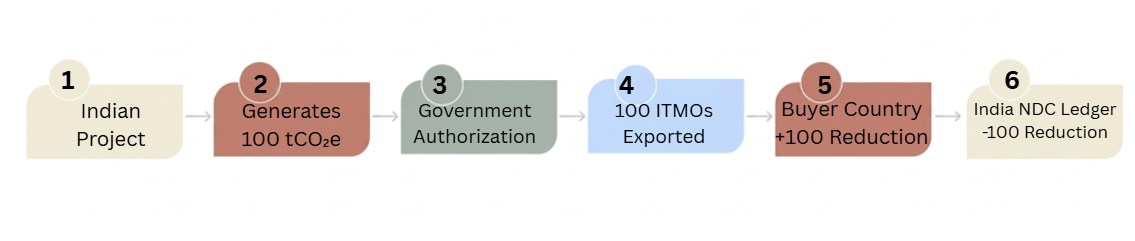
Imagine an Indian forest project generates 100 tonnes of verified emission reductions.
Without Article 6 accounting rules, both India and the buyer country could potentially claim the same 100 tonnes toward their climate goals. This is known as double counting and it undermines the credibility of carbon markets.
Under Article 6, the Indian government must formally authorize the transfer before the credits can be exported as ITMOs (Internationally Transferred Mitigation Outcomes). Once those 100 tonnes are transferred, the buyer country is allowed to count them toward its climate target. At the same time, India must make a corresponding adjustment by removing those same 100 tonnes from its own national carbon accounting.
In simple terms, the emission reduction can only be counted once. If the buyer country claims the climate benefit, India gives up the right to claim it. This accounting mechanism is what makes Article 6 credits fundamentally different from traditional voluntary carbon credits and is the reason governments now play a central role in international carbon trading.
In practice, this means the government will only authorize projects it is certain are generating real, measurable reductions. A project with self-reported data, manual field audits every five years, or disputed baselines is a liability to the national carbon ledger. MoEFCC authorization requires data that government regulators—not just carbon auditors—can trust.
This dynamic is already visible in early Article 6.2 pilot discussions. Emerging bilateral conversations increasingly emphasize the need for continuous satellite monitoring and tamper-proof MRV data. Projects that only offer periodic field verification are unlikely to meet ITMO authorization standards—the sovereign risk is too high.
“A corresponding adjustment turns a voluntary carbon claim into a sovereign financial commitment. The government will only make that commitment when the data is unambiguous.”
India's Strategic Position: Domestic vs. International
India is walking a deliberate balance between opening its carbon projects to international buyers and ensuring it has enough domestic reductions to meet its own 2030 and 2070 climate targets.
The CCTS framework India's domestic carbon market is being built in parallel. Certain high-value sectors like green hydrogen and offshore wind are likely to be prioritized for international Article 6 trading, while others may be channeled into domestic compliance. This sectoral allocation is not yet publicly defined in detail, which creates planning uncertainty for project developers who need to decide now whether their project's credits will be exportable.
Why It Matters
- Projects in sectors currently discussed within international cooperation frameworks may be better positioned for future ITMO authorization
- High-integrity forest and nature-based projects eligible but expected to require continuous satellite MRV
- Industrial efficiency projects primarily domestic CCTS, limited Article 6 access expected
- Renewable energy (solar, wind) limited eligibility due to falling costs and common practice concerns
What Developers Need to Do Differently
The shift from voluntary markets to Article 6 requires three fundamental changes in how Indian carbon projects are designed and operated.
1. Build for sovereign scrutiny from day one
MoEFCC authorization requires data that government regulators not just carbon auditors can trust. This means institutional-grade verification: satellite-backed MRV, continuous monitoring, uncertainty quantification, and a digital audit trail with full data provenance. Projects designed solely for Verra VCS compliance may not meet Article 6 authorization standards.
2. Understand the corresponding adjustment timeline
Corresponding adjustments are made at the time of first transfer, not at issuance. This creates a timing risk: credits can be issued without a CA, but they cannot be used for NDC compliance until the CA is formally recorded. Buyers in regulated markets particularly for CORSIA are expected to require CA confirmation before purchase. Developers should factor this into their sales and offtake agreement structures.
3. Engage with India's Article 6 approval process early
India's Article 6 approval framework is still being finalized. The National Designated Authority (NDA) for Article 6 has not yet published detailed authorization criteria. Developers who engage early providing robust verification data and participating in MoEFCC consultations are likely to have an advantage when the formal process opens. Waiting for final rules before preparing your data infrastructure will cost you at least one crediting period.
How Sylithe Positions Projects for Article 6
The core requirement for Article 6 authorization independent, continuous, tamper-proof verification is closely aligned with what Sylithe's dMRV platform is built to deliver.
Why It Matters
- Continuous satellite monitoring produces the ongoing evidence trail that MoEFCC and international regulators are expected to require for ITMO authorization
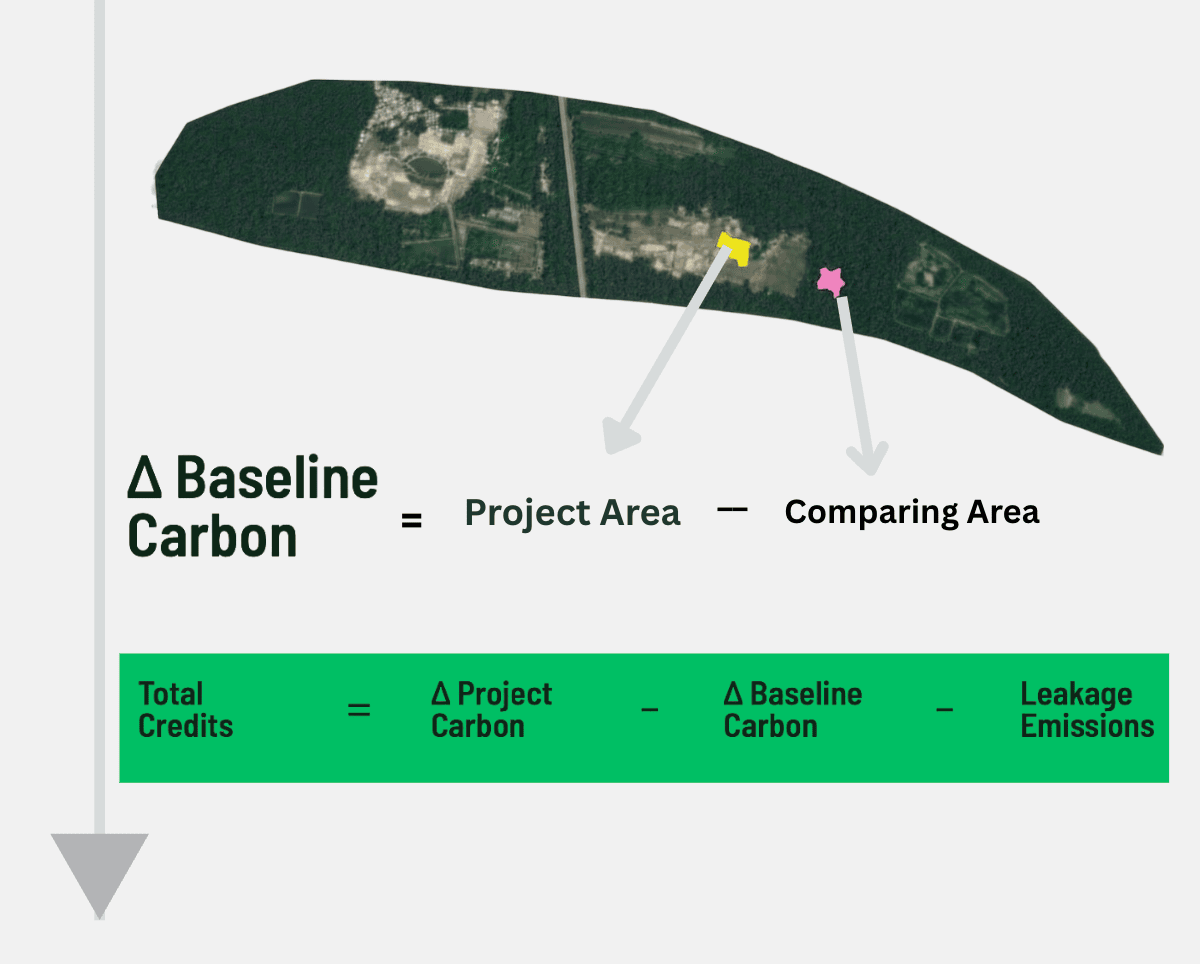
- Dynamic baselines provide defensible counterfactual scenarios that satisfy Article 6.4 additionality requirements
- Uncertainty quantification at pixel level gives auditors the confidence intervals required for sovereign-grade reporting
- Audit-ready reports structured for both domestic CCTS compliance and international Article 6.2/6.4 requirements
The authorization advantage
Projects monitored by Sylithe can present regulators with a continuous, satellite-verified record of emission reductions the closest thing to an audited financial statement that the carbon market can produce. This is what turns an authorization application from a risk for the government into a defensible sovereign commitment.
Risks for Indian Developers
While Article 6 presents unprecedented pricing premiums, it also introduces significant sovereign and regulatory risks that Indian project developers must navigate carefully. The primary risk is authorization denial. A developer may invest millions in a high-quality project, assuming international export, only to find the host government refuses to authorize the transfer because the reductions are needed for domestic NDC compliance.
Key Takeaway
Furthermore, the timing of authorization creates a severe financing bottleneck. Unlike the voluntary market where a project can secure forward financing based on expected future credit issuances, Article 6 buyers typically require sovereign letters of authorization before committing funds. However, governments are often reluctant to provide these authorizations until the project is operational and the exact accounting implications are clear.
Revocation risk is another critical factor. What happens if a government authorizes a transfer, but later—facing a domestic shortfall in its climate targets—revokes that authorization before the ITMO is utilized? The UN Supervisory Body is currently debating safeguards, but the political reality is that sovereign states retain ultimate authority over their carbon inventories.
To mitigate these risks, developers must align their projects explicitly with national priorities. Projects that offer significant co-benefits—such as local job creation, biodiversity protection, and energy security—are far more likely to receive and retain government authorization than single-focus emission reduction projects.
Article 6 is not just a policy update. It is the moment the carbon market became a sovereign financial system. The projects that can prove their impact will lead it.
Building for Article 6 authorization
Sylithe is currently working with project developers preparing for India's Article 6 approval process helping them build the continuous, satellite-backed verification infrastructure that MoEFCC and international buyers will require. If your project is targeting ITMO authorization, the time to build your data foundation is now.