 New
New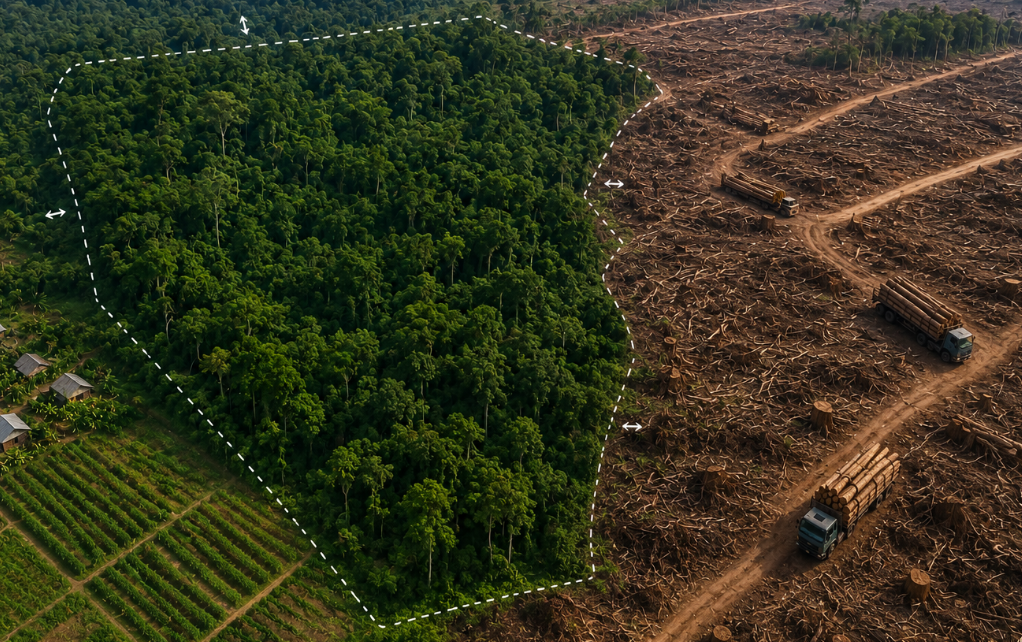
Imagine a carbon project that protects 10,000 hectares of forest from being cleared. At first glance, the project appears highly successful. The protected forest continues storing carbon, biodiversity is preserved, and carbon credits are issued based on avoided emissions. But what happens if logging companies simply move their operations to another nearby forest outside the project's boundary? Although the protected area remains intact, deforestation has not truly stopped — it has merely moved somewhere else. The atmosphere still receives nearly the same amount of carbon dioxide. This phenomenon is known as leakage, and it is one of the most important concepts in carbon markets. Understanding leakage helps developers design stronger projects, enables buyers to evaluate carbon credit quality more effectively, and strengthens confidence in voluntary carbon markets.
What Is Leakage in Carbon Credits?
Leakage refers to the increase in greenhouse gas emissions outside a project's defined boundary that occurs as an unintended consequence of the project's activities.
In simple terms, leakage means that a project successfully reduces emissions in one location, but those same emissions appear somewhere else. Rather than solving the problem, the project simply shifts it.
Because carbon dioxide mixes freely in the atmosphere, it does not matter where emissions occur geographically. A tonne of carbon emitted outside a project boundary has the same impact on the climate as a tonne emitted within it. This makes leakage a critical factor when evaluating the true environmental benefit of carbon credits.
A Simple Example
Imagine a REDD+ project designed to prevent illegal logging within a protected forest. The project installs monitoring systems, works with local communities, and successfully stops deforestation inside the project area. However, the demand for timber has not disappeared. Logging companies simply relocate their operations to an adjacent forest that is not protected.
The project achieves its local objective, but the broader climate benefit is reduced because forest loss has shifted rather than been prevented. This displacement of emissions is leakage.
Another Example
Consider a grazing management project that restricts livestock from entering one area to allow vegetation to recover. If farmers simply move their livestock to neighboring grasslands, causing overgrazing there, part of the carbon benefit gained inside the project may be offset by increased emissions outside it. Again, the emissions have moved rather than disappeared.
Why Leakage Matters
Carbon credits are intended to represent real, measurable, and verifiable climate benefits. If emissions are merely displaced, the amount of carbon claimed by a project may exceed its actual contribution to climate mitigation.
Ignoring leakage can lead to:
- Overestimated carbon reductions
- Reduced environmental integrity
- Lower buyer confidence
- Increased reputational risk
- Higher scrutiny during verification
- Potential over-crediting
For this reason, leakage is considered one of the fundamental quality criteria alongside additionality, baseline accuracy, and permanence. Together, these concepts help determine whether a carbon credit genuinely reflects one tonne of climate benefit.
Leakage Is Not Always Easy to Detect
Unlike emissions occurring directly inside a project area, leakage often happens outside the project's immediate boundary. It may occur several kilometers away, in neighboring districts, across state borders, in another country, or somewhere else within the same supply chain. Because of this, detecting leakage often requires monitoring a much larger landscape than the project itself.
Project Leakage vs Policy-Level Carbon Leakage
The word "carbon leakage" is also used in international climate policy, but it describes a different concept. Understanding this distinction helps avoid confusion.
Occurs when emissions increase outside a project's boundary because of the project's implementation. This is the type most relevant to carbon credits. Examples include logging moving to another forest, agricultural expansion shifting into nearby landscapes, or wetland destruction occurring outside a protected area.
Occurs when businesses relocate production from regions with stricter climate policies to regions with weaker environmental regulations. Primarily discussed in relation to national climate policies, emissions trading systems, and international competitiveness. Not directly related to individual project performance.
Why Leakage Is One of the Four Pillars of Carbon Credit Quality
High-quality carbon credits depend on more than simply measuring carbon. They must also demonstrate that the claimed climate benefit is genuine.
Additionality
Would the project have happened without carbon finance? Projects must demonstrate that carbon funding was necessary to make the project viable.
Baseline
What would emissions have been without the project? An accurate counterfactual baseline is essential for measuring the true climate benefit.
Leakage
Has the project shifted emissions somewhere else? If displacement occurs, the overall climate benefit is reduced and credits must reflect this.
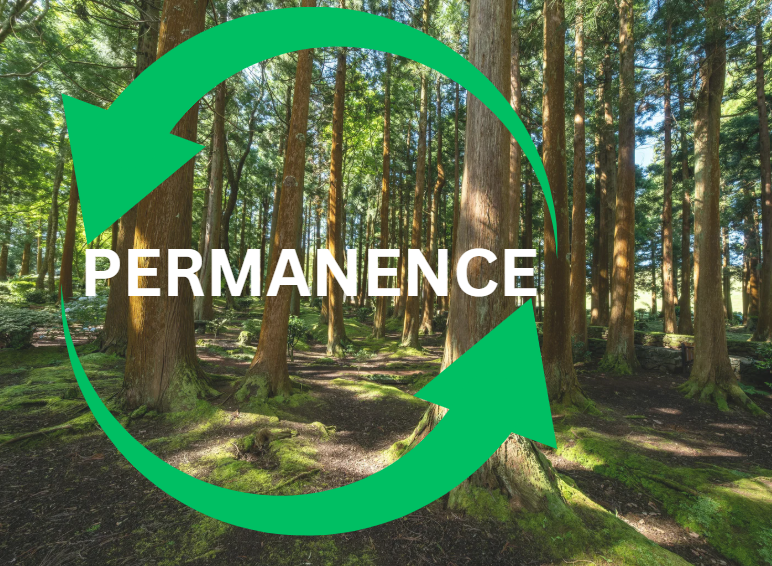
Permanence
Will the climate benefit last over time? Carbon stored or avoided today must remain effective for the benefit to be real.
If any one of these pillars is weak, confidence in the carbon credit decreases. A project may be additional and permanent, but if it simply displaces emissions elsewhere, the overall climate benefit is smaller than originally claimed. This is why leakage assessment has become a standard requirement across leading carbon certification programs.
Can Leakage Be Completely Eliminated?
In most cases, no.
Many carbon projects operate within complex environmental, economic, and social systems. Human activities respond to changing incentives, markets evolve, and land-use pressures shift over time. The goal is therefore not always to eliminate leakage entirely but to identify likely sources of leakage, reduce the probability of displacement, measure its impact as accurately as possible, apply appropriate deductions where required, and continuously monitor surrounding landscapes.
Projects that actively manage leakage generally provide more reliable estimates of their climate impact than those that ignore it.
Types of Leakage in Carbon Credits
Leakage does not occur in the same way across every carbon project. Depending on the project's objective, location, and surrounding economic activities, emissions can be displaced through different pathways. Understanding these pathways helps project developers design stronger mitigation strategies and enables buyers to better evaluate carbon credit quality.
The four most common forms of leakage are activity shifting, market leakage, ecological leakage, and supply chain leakage.
1. Activity Shifting Leakage
Activity shifting leakage occurs when an emissions-generating activity is prevented within the project area but simply relocates to another location. Instead of eliminating the activity, the project changes where it takes place. This is one of the most common forms of leakage in land-based carbon projects.
A REDD+ project may successfully protect a forest from illegal logging, but logging companies move their operations to a nearby forest outside the project's boundary. Although the protected forest remains intact, carbon emissions continue elsewhere, reducing the project's overall climate benefit.
- Agricultural expansion into adjacent land
- Livestock grazing relocating to neighboring grasslands
- Fuelwood and charcoal production shifting nearby
- Mining and extraction moving beyond the project edge
Because these activities are often driven by local livelihoods, high-quality projects frequently include community development programs that provide alternative income sources and reduce the need to relocate emissions-generating activities.
2. Market Leakage
Market leakage occurs when a project changes the supply or demand of a product, causing production and emissions to increase somewhere else. Unlike activity shifting, market leakage is driven by economic forces rather than direct relocation.
A project that protects a large commercial forest from timber harvesting may decrease timber supply, causing prices to increase. Higher prices encourage timber production in another region or country. The original project protects its forest, but global timber production continues elsewhere.
Because markets operate across regions and countries, this form of leakage can be difficult to quantify accurately. It is relevant for projects involving timber, agricultural commodities, livestock, biofuels, and industrial raw materials.
3. Ecological Leakage
Ecological leakage occurs when environmental pressure shifts from one ecosystem to another. Rather than reducing environmental degradation, activities simply move into nearby ecosystems that are not protected by the project.
A mangrove restoration project that successfully protects one section of coastline may see developers begin clearing nearby mangroves outside the project area for aquaculture expansion. Although the restored mangrove remains healthy, carbon-rich ecosystems elsewhere continue to disappear.
Ecological leakage is particularly relevant for blue carbon projects, wetland restoration, mangrove conservation, peatland protection, and landscape restoration. Managing it often requires monitoring a much larger landscape than the project boundary itself.
4. Supply Chain Leakage
Supply chain leakage occurs when emissions shift to another stage of production instead of being eliminated. Projects may reduce emissions within one part of a value chain while unintentionally increasing emissions upstream or downstream.
A company that replaces one raw material with a lower-carbon alternative may see demand for the original material decrease locally but increase elsewhere because another supplier expands production. Although supply chain leakage is generally smaller than activity shifting leakage, it remains an important consideration for large industrial and agricultural projects.
Leakage Across Different Carbon Project Types
Different project methodologies face different leakage risks. Understanding these differences helps buyers compare carbon credits more effectively.
REDD+ Projects
REDD+ projects aim to reduce emissions by preventing deforestation and forest degradation. Because demand for timber, agriculture, and land often continues after project implementation, REDD+ projects face some of the highest leakage risks. Potential leakage pathways include logging moving outside project boundaries, agricultural expansion into neighboring forests, and new roads opening nearby forest areas. Successful REDD+ projects address these risks through landscape planning, community engagement, and continuous monitoring.
Afforestation and Reforestation (ARR)
ARR projects remove carbon by planting or restoring forests. Leakage risks are generally lower than avoided deforestation projects but can still occur. If agricultural land is converted into forest, farming activities may simply relocate to nearby land, leading to additional land clearing elsewhere. Developers often minimize this risk by selecting degraded land, improving agricultural productivity, or working with local communities to reduce pressure on surrounding landscapes.
Blue Carbon Projects
Mangroves, salt marshes, and seagrass ecosystems store significant amounts of carbon. Leakage can occur if coastal development, fishing, aquaculture, or infrastructure expansion simply shifts beyond the restored area. Landscape-scale coastal planning is therefore essential for maintaining the overall climate benefit.
Soil Carbon Projects
Projects that improve soil management may reduce emissions and increase carbon storage. However, if farmers compensate by expanding cultivation elsewhere or changing land-use practices outside the project area, some climate benefits may be reduced. Continuous monitoring and sustainable agricultural planning help minimize these risks.
Improved Cookstove Projects
Cookstove projects reduce emissions by replacing traditional cooking methods with more efficient technologies. Leakage may occur if households continue using traditional stoves alongside improved cookstoves or if fuel consumption shifts rather than decreases. For this reason, many methodologies require ongoing monitoring of household behavior rather than assuming complete adoption.
Renewable Energy Projects
Renewable energy projects generally face lower leakage risks compared to land-based projects. Once electricity is generated from renewable sources, there are fewer direct mechanisms through which emissions are displaced elsewhere. However, large-scale energy markets can still create indirect effects depending on changes in electricity demand, generation patterns, and regional energy systems.
Leakage Risk by Project Type
| Project Type | Primary Leakage Risk | Risk Level |
|---|---|---|
| REDD+ | Logging and agriculture shift to unprotected areas | High |
| Afforestation / Reforestation | Farming relocates to adjacent land | Medium |
| Blue Carbon | Coastal development shifts beyond project area | Medium-High |
| Soil Carbon | Cultivation expands outside project boundary | Medium |
| Improved Cookstoves | Households mix old and new stove use | Low-Medium |
| Renewable Energy | Indirect market effects in energy grid | Low |
How Carbon Standards Address Leakage
Recognizing leakage is only the first step. To maintain the integrity of carbon credits, projects must also demonstrate how leakage is identified, minimized, monitored, and incorporated into carbon accounting.
Leading carbon standards require project developers to evaluate leakage during project design and continue assessing it throughout the crediting period. Although methodologies vary across standards and project types, the overall objective remains the same: ensure that carbon credits represent net climate benefits, not simply emissions that have shifted elsewhere.
Identify potential leakage pathways before the project begins.
Design activities that reduce the likelihood of emissions displacement.
Estimate potential leakage using approved methodologies.
Monitor surrounding areas during project implementation.
Adjust carbon credit calculations where measurable leakage occurs.
How Is Leakage Measured?
Leakage cannot always be measured through direct observation alone. Depending on the project type, developers may combine multiple data sources and analytical approaches to estimate emissions occurring outside the project boundary.
Satellite Monitoring
Satellite imagery allows developers to monitor forests, wetlands, agricultural land, and surrounding landscapes over time. Repeated observations help detect changes occurring outside the project boundary, including deforestation shifts, land conversion, and vegetation loss in adjacent areas.
Field Assessments
Community interviews, land-use surveys, and ecological assessments provide valuable information about local activities that may contribute to leakage. These observations complement satellite data by explaining why changes are occurring and identifying economic drivers of displacement.
Historical Land-Use Analysis
Examining historical land-use trends helps developers identify areas that may face future displacement pressures. Understanding previous patterns improves leakage risk assessments before a project begins and helps calibrate monitoring efforts.
Geospatial Modelling
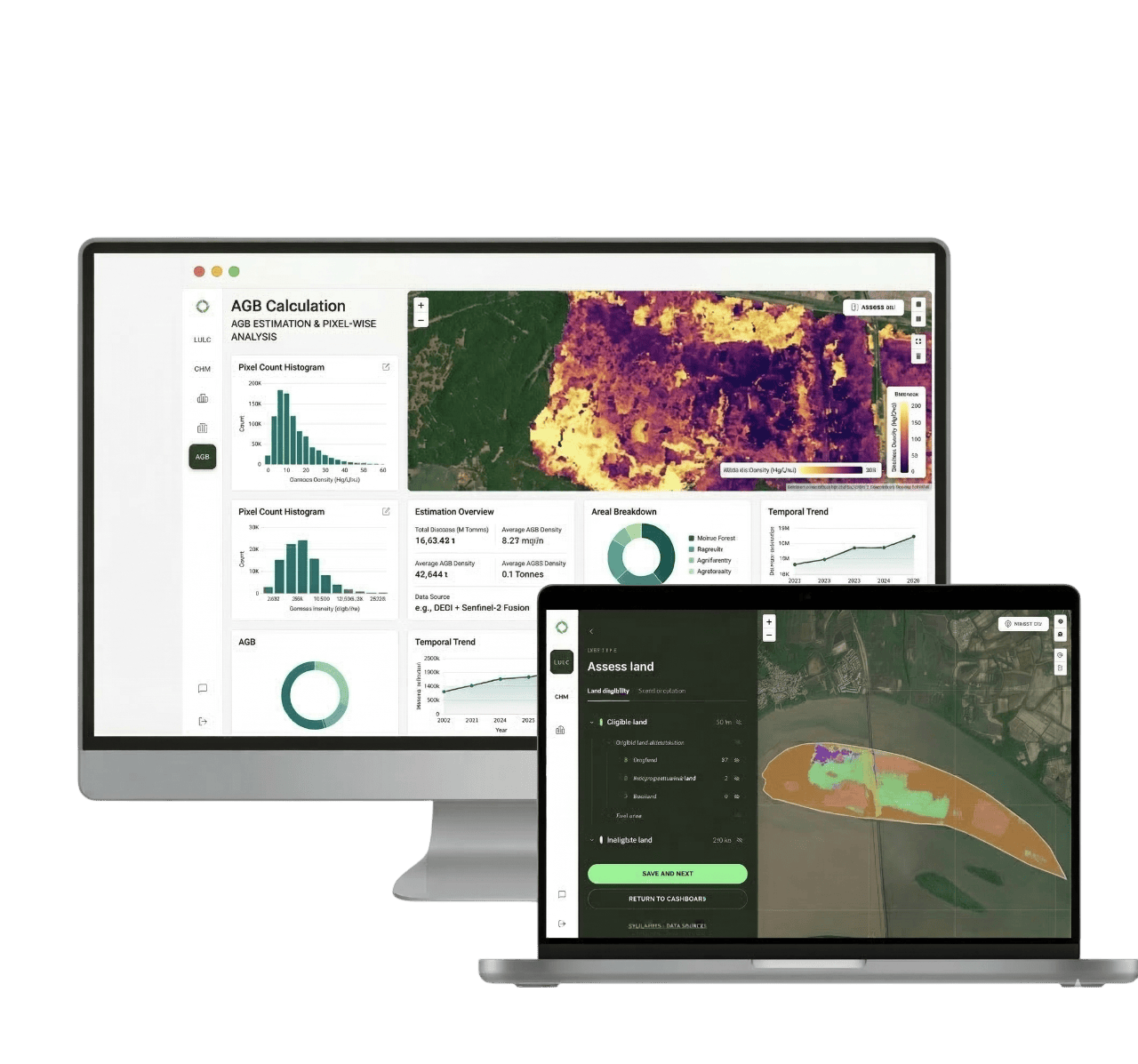
Modern geospatial tools combine satellite imagery, climate data, land-cover maps, and AI-based analysis to estimate where emissions displacement is most likely to occur. These technologies enable more proactive leakage management than traditional approaches and allow developers to anticipate and respond to displacement before significant emissions occur.
Market Analysis
Some projects evaluate changes in commodity markets, timber demand, agricultural production, or fuel consumption to understand whether market forces are indirectly increasing emissions elsewhere. Market leakage deductions are often standardized but are increasingly being updated to reflect real conditions.
Reducing Leakage Before It Happens
The most effective carbon projects are designed to prevent leakage from the outset rather than correcting it later. Common strategies include:
- Working closely with local communities and providing alternative livelihood opportunities
- Promoting sustainable agriculture and responsible forest management
- Expanding monitoring beyond project boundaries to detect early displacement signals
- Conducting regular risk assessments and updating management plans as conditions change
- Integrating project activities within broader landscape and jurisdictional planning
Why Continuous Monitoring Matters
Leakage is not a one-time assessment. Land-use patterns change continuously. Agricultural expansion evolves. Infrastructure develops. Population pressures shift. Climate events alter ecosystems.
A project that initially demonstrates low leakage may face different conditions several years later. Continuous monitoring allows developers to identify these changes early, improve project management, and maintain the credibility of reported carbon benefits.
The Role of Digital MRV in Leakage Monitoring
Advances in digital Monitoring, Reporting, and Verification (dMRV) are significantly improving how leakage is assessed. Instead of relying only on periodic field inspections, developers can combine satellite imagery, artificial intelligence, and geospatial analytics to monitor landscapes throughout the project lifecycle.
Digital MRV enables projects to:
- Detect land-use changes near project boundaries continuously
- Monitor forest loss beyond protected areas in near real-time
- Identify agricultural expansion and vegetation cover changes over time
- Compare historical and current satellite observations to isolate displacement signals
- Generate transparent, verifiable evidence for independent verification bodies
By providing frequent and objective observations, digital MRV helps strengthen confidence that reported climate benefits reflect real environmental outcomes.
Why Leakage Matters for Carbon Credit Buyers
For organizations purchasing carbon credits, leakage is more than a technical accounting concept. It directly affects confidence in the climate impact being financed. If emissions are simply displaced rather than reduced, the project's contribution to global climate mitigation becomes smaller than originally claimed.
As sustainability reporting expectations continue to evolve, companies increasingly seek projects that demonstrate transparent leakage assessment and ongoing monitoring. Projects that proactively identify and manage leakage are generally better positioned to support high-quality climate claims and long-term credibility.
Studies of forest carbon projects have found that unaccounted leakage can reduce the net climate benefit of some projects by 20–40% or more. Transparent leakage accounting is therefore not just a regulatory requirement — it is a direct indicator of whether a carbon credit delivers what it claims.
Where Sylithe Fits
Managing leakage requires visibility beyond the project boundary.
Sylithe's digital MRV platform combines satellite imagery, AI-powered geospatial intelligence, and automated monitoring to help project developers better understand landscape-level changes over time. By supporting land-use change detection, vegetation monitoring, spatial analysis, and transparent reporting, Sylithe enables developers to strengthen leakage assessments and provide evidence that carbon benefits extend beyond the project boundary.
As carbon markets increasingly prioritize transparency and environmental integrity, continuous monitoring is becoming an essential part of leakage management.
Key Takeaways
Leakage is one of the most important factors influencing the quality of carbon credits. A project may successfully reduce emissions within its own boundary, but if those emissions simply shift elsewhere, the overall climate benefit is reduced. High-quality carbon projects therefore identify potential leakage pathways, implement measures to minimize displacement, monitor surrounding landscapes, and account for any remaining leakage during carbon accounting. As monitoring technologies continue to improve, satellite imagery, AI, and digital MRV are making leakage assessment more accurate, transparent, and scalable than ever before.